 KH
KH  FR
FR  AR
AR CN
CNEfforts Intensify to Preserve Indigenous Traditional Dances in Northeast Highland Provinces
AKP Phnom Penh, March 11, 2026 --
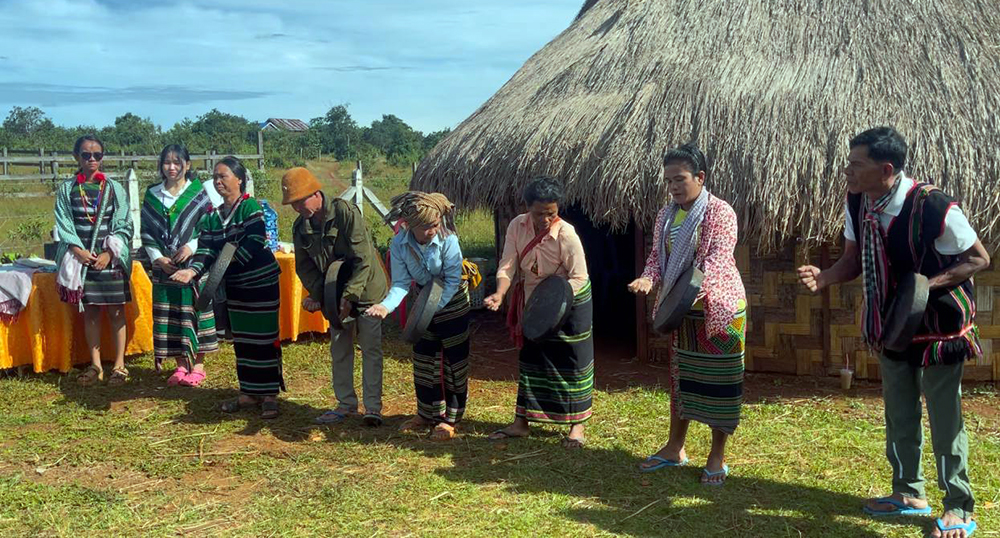
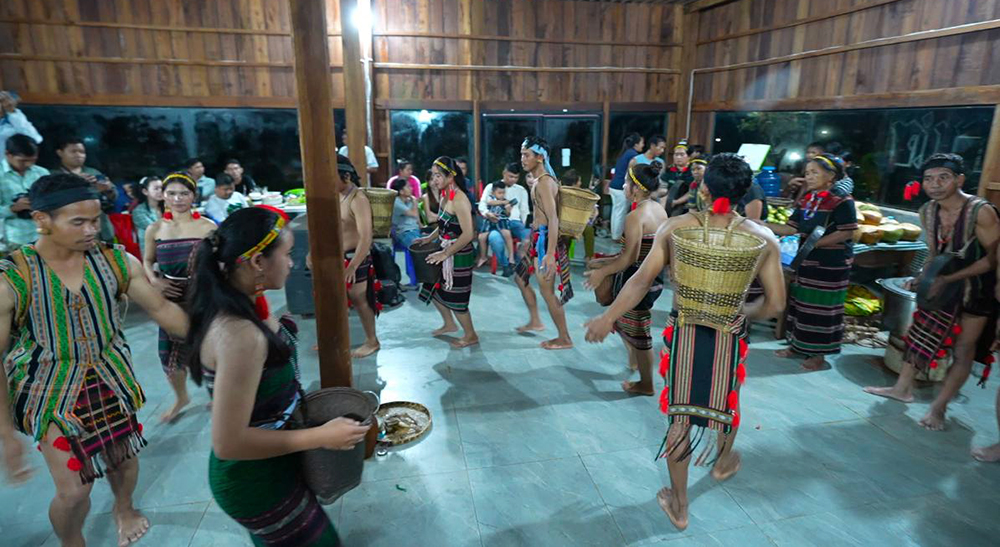
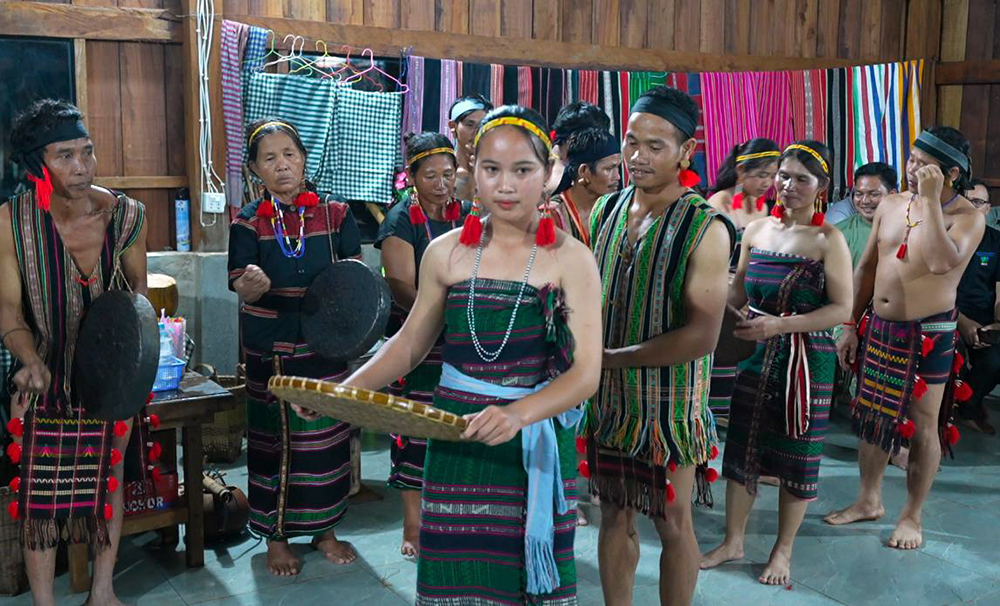
The resonant echo of gongs and the rhythmic movements of Punong indigenous dances continue to resonate across the highlands of Mondulkiri province. Yet behind the beauty of this captivating cultural heritage, communities are increasingly concerned about the declining number of young successors.
For indigenous communities, traditional dances and music are more than entertainment. They represent the soul of cultural identity, spiritual beliefs, and community life, performed during major festivals and to welcome visitors.
For the people of Mondulkiri, a northeastern highland province of Cambodia, these artistic traditions are often described as “green gold,” promoting unique indigenous culture to the world while generating income for families and communities through tourism.
Ms. Chreng Bet, President of the Leng Kao Waterfall Ecotourism Community in Keo Seima district, Mondulkiri province, said the community is eager to perform traditional dances for visitors but currently lacks trainers and essential resources.
“We want to preserve this traditional culture and encourage the younger generation to learn and develop the necessary performing skills to keep it alive for future generations,” she said.
Similarly, Mr. Vann Leang, head of a traditional dance troupe in Poutang village, Romnea district, Sen Monorom city, said the number of performances of Punong traditional dances has gradually declined.
Leading the troupe since 2008, he noted that performances are now mostly limited to national programmes and special ceremonies.
“Our performances are often part of tourism programmes, which are important for showcasing the cultural heritage of Cambodia’s ethnic communities to both local and international visitors,” he said.
Mr. Vann Leang added that many elderly people in the community possess valuable knowledge and skills that could be passed on to younger generations.
“I hope there will be more attention and proper training opportunities for youth so they can continue this tradition,” he said.
Meanwhile, in Purang village, Sen Monorom commune, O’Reang district, Mr. Thol Virak, deputy head of the community, said the village consists of 76 families, and traditional performances remain an important part of community life.
However, he noted that interest among younger people appears to be declining, raising concerns about the long-term survival of the cultural practice.
He emphasised the need to encourage more young people to participate in learning traditional dances to ensure the preservation of Punong cultural heritage.
H.E. Sum Mab, Secretary of State at the Ministry of Culture and Fine Arts, acknowledged the challenges facing indigenous performing arts, particularly the need to ensure generational succession.
He said the Ministry will continue to promote cooperation and initiatives aimed at supporting the preservation and development of these traditional art forms, which not only reflect the cultural identity of Cambodia’s indigenous peoples but also contribute to tourism development.
Cambodia possesses a rich heritage of indigenous arts and cultural performances. These include the Buffalo Slaughtering Dance of the Kreung, Tumpoun, and Punong indigenous groups in Ratanakiri and Mondulkiri provinces.
Other traditional art forms include the Phloy Suoy Dance of the Suoy indigenous community in Kampong Speu province, the Sneng Tonsong Dance, Sem Phloy Dance, Peacock Dance, and Cardamom Picking Dance of the Por indigenous group in Pursat province, as well as the Pailin Peacock Dance of the Kola community in Pailin province.
Article in Khmer by Makara
Article in English by Lim Nary