
 KH
KH  FR
FR  AR
AR CN
CNAngkor’s Ancient Kiln Evolution Discovered Near Srah Srang
AKP Phnom Penh, April 02, 2026 --
Researchers from the APSARA National Authority are conducting an in-depth study of ancient ceramic kilns at Kok Pnov, contributing to a better understanding of Angkor’s historical production communities.
Kok Pnov is a group of inhabited mounds located approximately 500 metres southeast of Srah Srang and southwest of Pre Rup Temple. Surface surveys have revealed scattered ceramic sherds and clay bricks across several mounds.
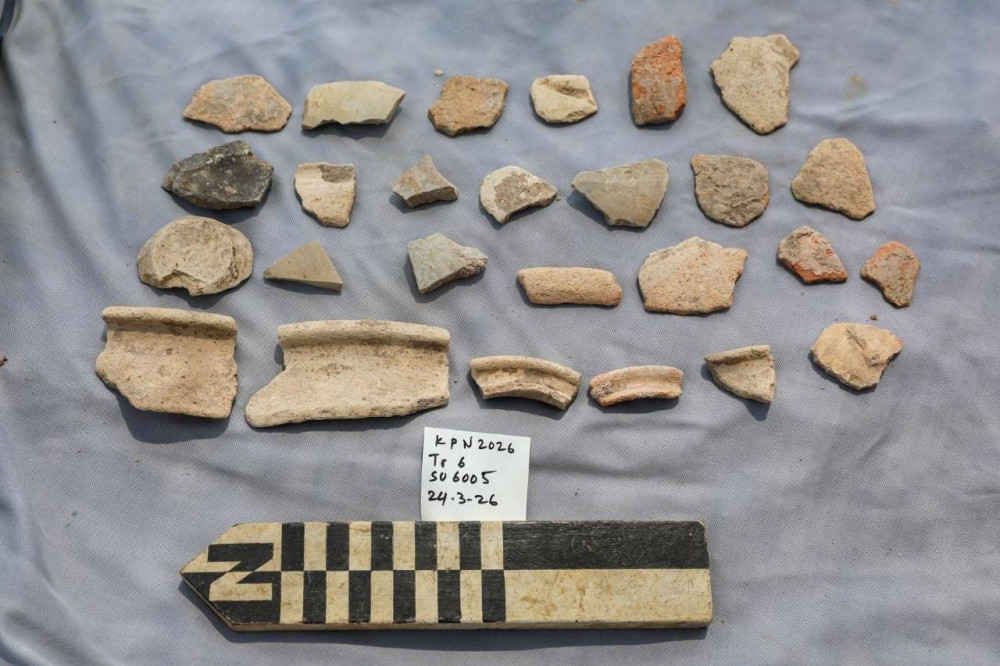
Analysis shows that these include everyday household items such as pots and jars, as well as harder ceramics like plates and bowls with rough, unsmoothed surfaces.
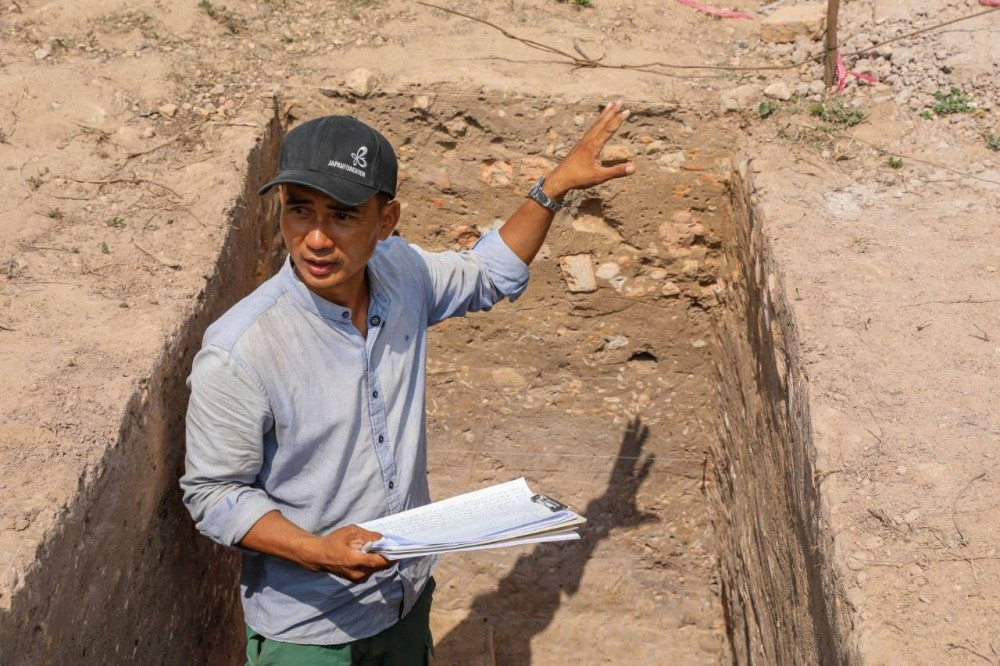
According to Mr. Tin Tina, Deputy Director of the Department of Research, Training, and Communication, the research aims to determine whether Kok Pnov functioned as a ceramic production community.
In 2025, the team selected the Trapaing Thmar Andet mound for study, followed by further excavation in 2026 at a nearby mound south of the kiln site.
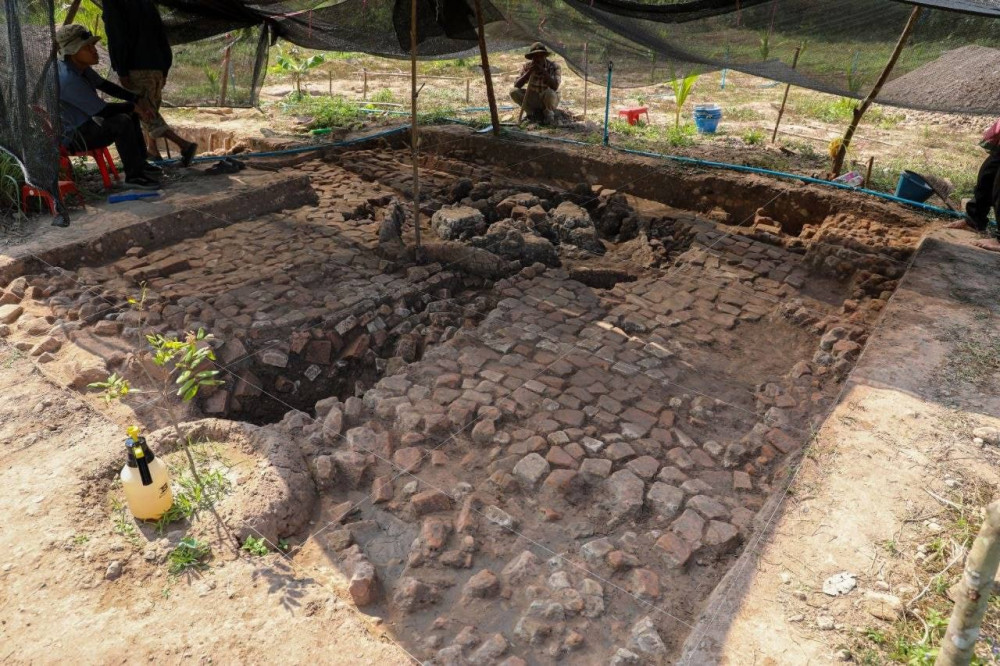
The team discovered kiln structures that evolved over time, from early clay-built kilns to later constructions made of baked bricks.
Each soil layer contained various ceramic fragments, including bricks, pots, jars, and harder wares such as plates and bowls.
These findings suggest the newly uncovered kiln may represent the final phase of ceramic production before the Angkor community abandoned the site. Researchers highlighted the unique architectural features of the kiln. Unlike others, this structure had both a brick floor and walls.
Based on remaining evidence, the kiln measured approximately 1.80 metres in width and may have reached 1.80 to 2 metres in height.
It included ventilation holes in four directions, three fire pits at the corners, and a central pedestal, indicating a sophisticated design adapted for efficient firing.
Researchers explained that excavation pits outside the kiln area were opened to locate disposal zones for ceramic waste and production debris, offering further insight into the daily practices of ancient craftsmen.
Although the exact dating of the kiln remains under study, comparisons with charcoal samples analysed from earlier excavations by the Greater Angkor Project in 2011 suggest that these kiln sites likely date from the 9th to the 12th centuries.
This indicates that both the Trapaing Thmar Andet kiln and the newly discovered structures were active during the height of the Angkor civilisation.
By Chea Vannak