 KH
KH  FR
FR  AR
AR CN
CNBanteay Meanchey's Heritage Silk Scarves Take Centre Stage at National Tourism Handicrafts Forum
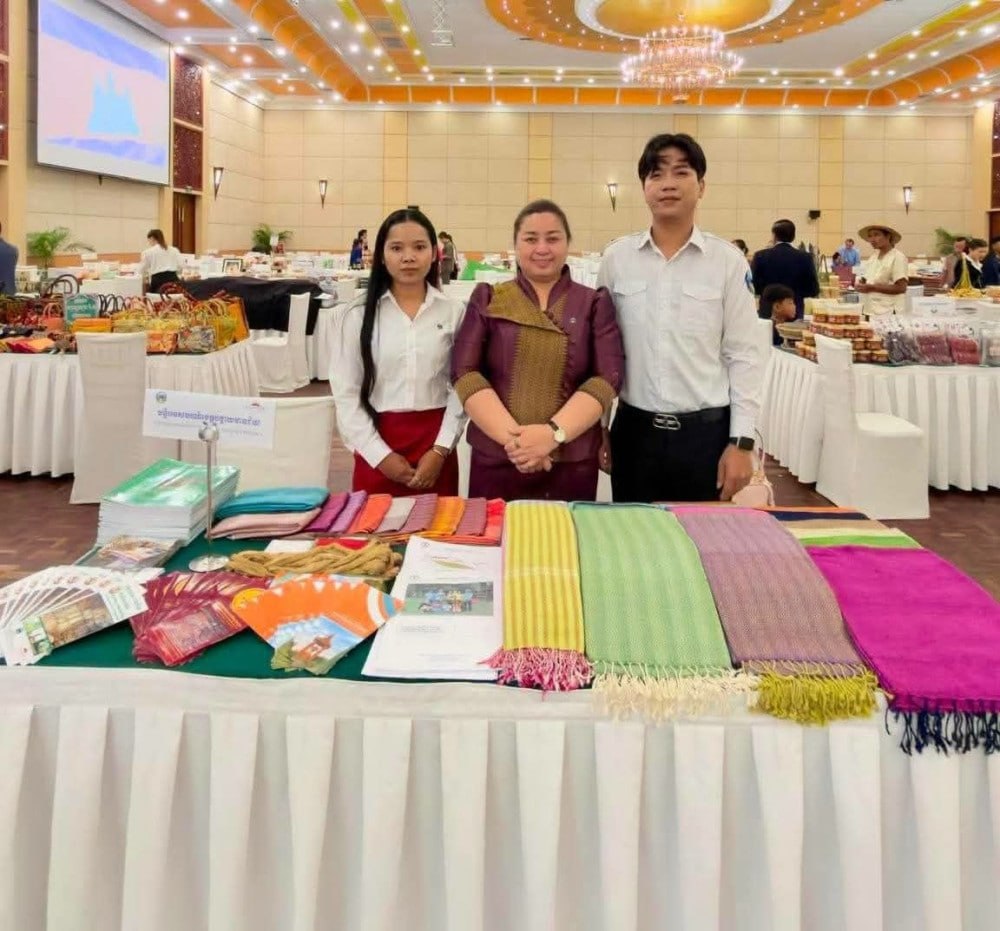
AKP Phnom Penh, July 31, 2026 -- Exquisite handwoven silk Krama (scarves) from Banteay Meanchey province garnered widespread acclaim at the 1st National Forum on Promoting Khmer Tourism Handicrafts and Souvenirs, held Thursday in Siem Reap.
The event, hosted at the Sokha Siem Reap Hotel, featured high-end silk creations from the Banteay Chmar and Ang Trapeang Thmor eco-tourism communities, highlighting Cambodia's rich artisan heritage.
Leading the provincial delegation, Ms. Sum Neangdin, Deputy Director of the Banteay Meanchey Provincial Department of Tourism, highlighted the deep cultural value of traditional handweaving and its strategic potential in bridging rural artisans with major tourism markets.
"Showcasing silk Krama from the Banteay Chmar and Ang Trapeang Thmor communities is far more than a commercial promotion – it is an effort to elevate our cultural soul and weave vitality into the local economy," she said.
"These handwoven silk products are not merely fabrics or ordinary souvenirs. They are living works of art that carry the history, stories, and dedication of our local weavers," Ms. Sum Neangdin added. "This national forum serves as a vital bridge, bringing authentic local products directly to domestic and international visitors."
The featured silk krama are crafted using 100 percent natural silk and eco-friendly dyes derived from local plants, ensuring premium quality and safety. Each piece reflects the patience, precision, and mastery of the rural weavers.
Officials emphasised that purchasing a single scarf directly supports women and families within these communities, driving a sustainable, self-reinforcing local economy.
The Banteay Meanchey Provincial Department of Tourism reaffirmed its commitment to advancing the national "One Village, One Product" strategy.
Moving forward, the department plans to collaborate closely with local artisans to refine product design, quality, and packaging for premium markets while maintaining the authentic identity of traditional Khmer culture.
By K. Rithy Reak