 KH
KH  FR
FR  AR
AR CN
CNOPINION: Ayurveda for a Healthier Tomorrow
AKP Phnom Penh, September 23, 2026 --
The 11th Ayurveda Day under the theme “Ayurveda for a Healthier Tomorrow” is being celebrated today, the 23rd September 2026. The theme is indeed appropriate as it reflects the timeless relevance of Ayurveda and its potential contributions to healthier individuals and communities, and a more sustainable way of life.
Ayurveda is India's ancient system of knowledge and healthcare, which has provided holistic healing for many millennia in India and it remains ever more relevant even in modern times. Ayurveda is a science that places emphasis on prevention of illness and promoting harmony between the body, mind, lifestyle and the surrounding environment. Its emphasis on balanced nutrition, appropriate daily routines, physical well-being and preventive healthcare, and therefore resonates strongly with the growing global interest in wellness and healthy living.
Ayurveda combines India’s rich traditional knowledge with modern research, scientific inquiry, quality standards and innovation. Through this approach, it is possible to preserve the wisdom of India’s age-old heritage while ensuring that Ayurveda continues to develop in a manner relevant to contemporary healthcare needs.
In recognition of the importance the Government of India attached to the development and promotion of Ayurveda and other traditional systems of Indian medicine, a dedicated Ministry of AYUSH was established in 2014. Over the past 12 years, through the efforts of the Ministry of AYUSH and its institutions, the government has been supporting education, research, healthcare, development of infrastructure, quality assurance and international cooperation in Ayurveda and other AYUSH systems.
The National AYUSH Mission has been an important initiative in strengthening AYUSH healthcare services and infrastructure. The Government is also supporting research and AYURSWASTHYA while the AOGUSY scheme seeks to strengthen the quality and development of AYUSH medicines and related pharmaceutical sector.
India is also giving increasing importance to the conservation and sustainable development of medicinal plants, which constitute an important resource for traditional medicine. These initiatives reflect India's broader vision of making traditional knowledge an important component of a modern, accessible and evidence-informed healthcare ecosystem.
The celebration of Ayurveda Day in Cambodia is particularly meaningful because India and Cambodia share deep and enduring civilization and cultural bonds.
Our two countries have been connected for centuries through Buddhism, culture, art, architecture, knowledge and people-to-people contacts. The magnificent heritage of Angkor stands as a powerful testament to the depth of the historical and cultural connections between our two societies.
Within this broader civilisation relationship, there is considerable scope for greater interaction in the fields of traditional medicine, Ayurveda, wellness, medicinal plants, education, research and capacity building.
Cambodia's growing tourism and hospitality sector also provides opportunities for cooperation in wellness and preventive health practices. In more recent times, Ayurveda related products have also been introduced in Cambodia and they are particularly becoming more visible in cities like Phnom Penh and Siem Reap. The Government of India has been promoting international cooperation in Ayurveda through institutional partnerships, academic cooperation, research collaboration, training and exchange of experts. It should be our collective endeavour to explore similar opportunities with our Cambodian partners.
The theme “Ayurveda for a Healthier Tomorrow” is ultimately a message about the importance of prevention, balance and well-being. A healthier future requires not only advances in medical treatment but also greater awareness of healthy lifestyles, nutrition, physical activity, mental well-being and harmony with nature. As we celebrate the 11th Ayurveda Day, let us therefore look towards the future while remaining connected to the wisdom of the past.
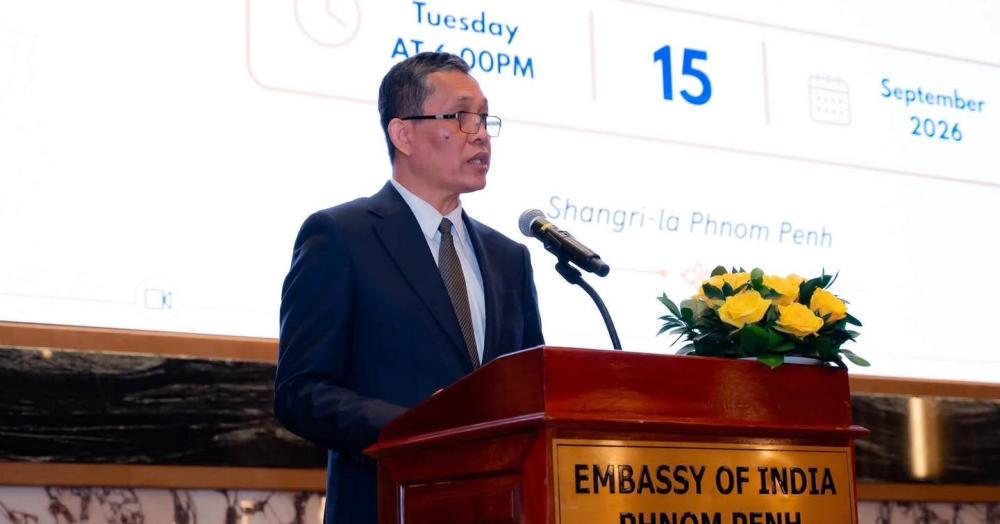
By Vanlalvawna Bawitlung
Ambassador of India to the Kingdom of Cambodia
(Views expressed are personal)