 KH
KH  FR
FR  AR
AR CN
CNCambodia to Further Upgrade TVET with Focus on AI and Innovation
AKP Phnom Penh, June 15, 2026 --
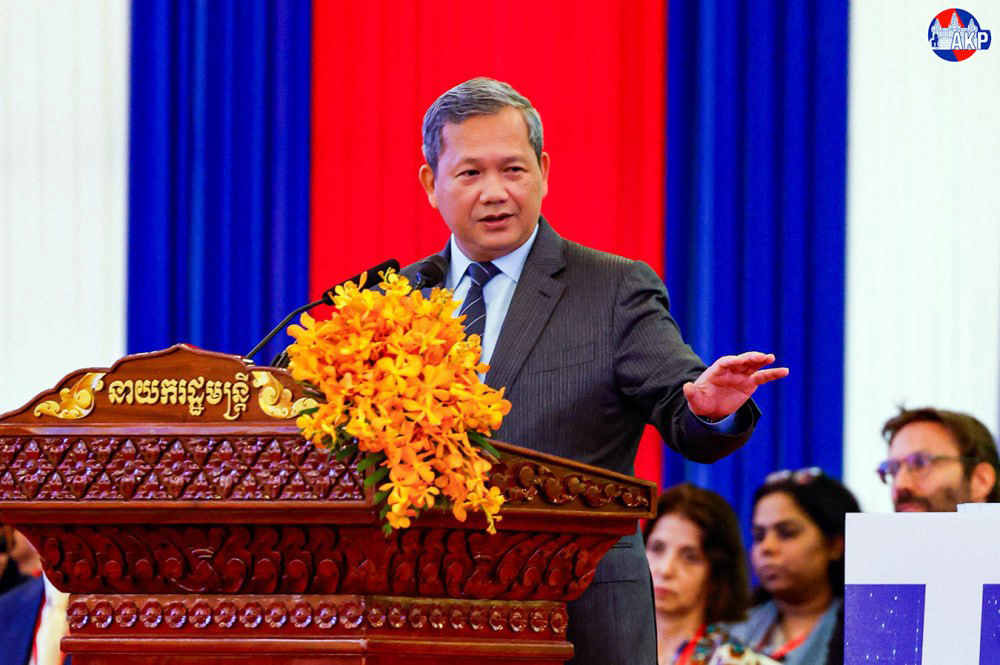
Cambodia will continue to strengthen and modernise its technical and vocational education and training (TVET) system to keep pace with changing labour market demands both domestically and globally, Prime Minister Samdech Moha Borvor Thipadei Hun Manet said.
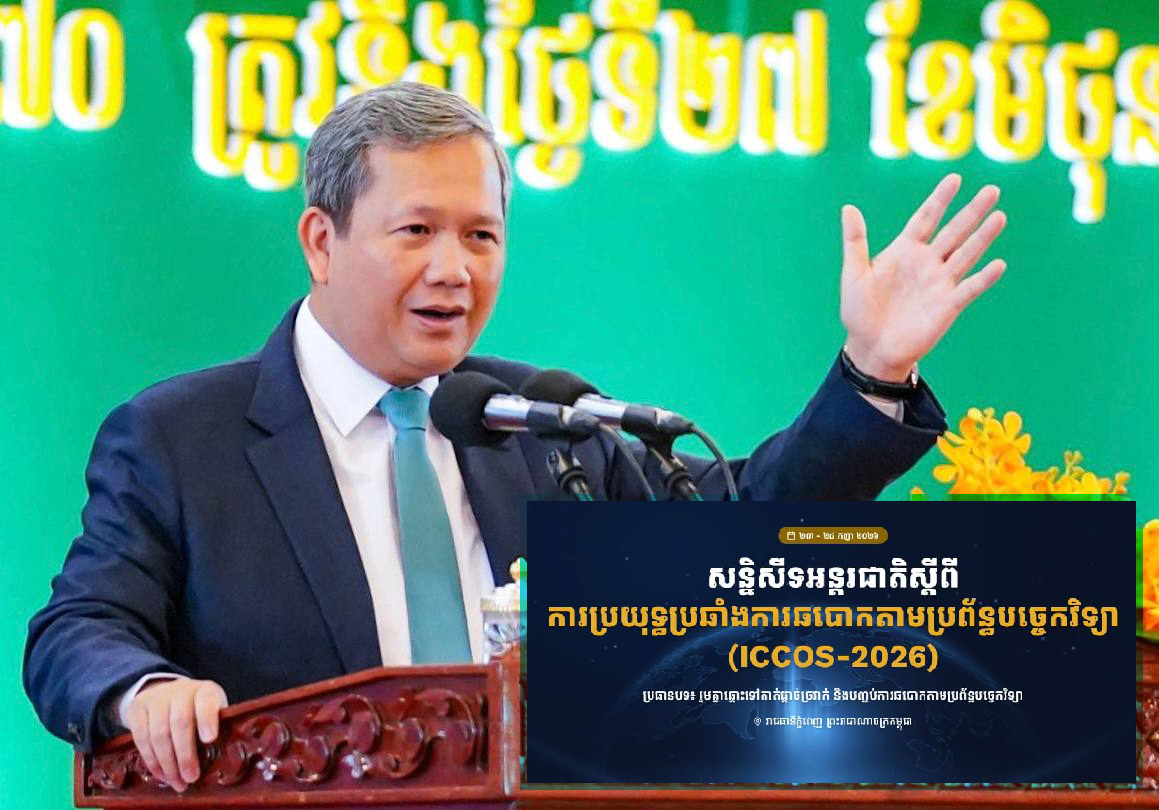
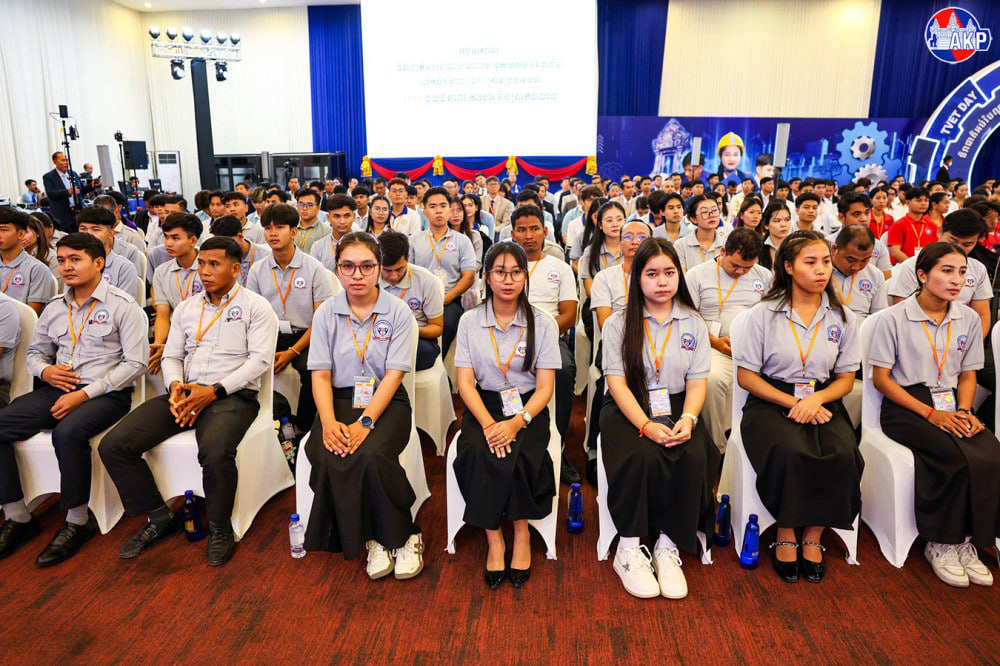
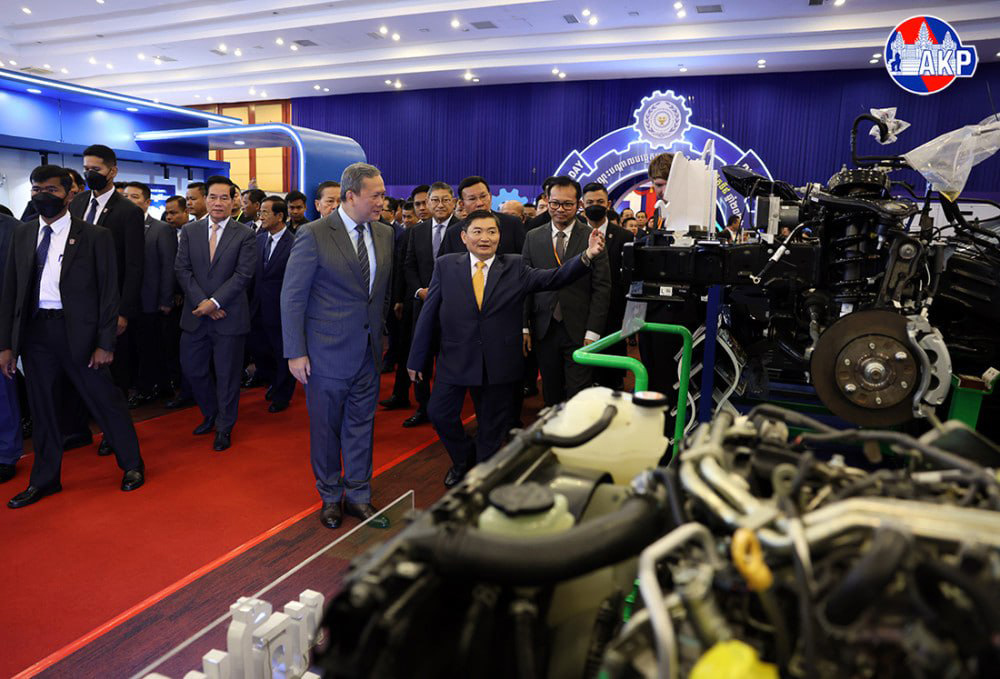
Speaking at the celebration of the 9th National TVET Day 2026, held at Koh Pich Convention and Exhibition Centre in Phnom Penh on Monday under the theme “TVET Provides Skills, Jobs and Income,” the Prime Minister stressed that the Royal Government places high priority on TVET as a key pillar for national development and human capital enhancement.
“We started with the garment and textile sector, and today we have expanded into the automotive industry. Our next step is to further upgrade skills development in the fields of artificial intelligence and innovation (AI),” he said.
Samdech Thipadei Hun Manet noted that Cambodian youth have already been employed in eight automotive assembly plants operating in the Kingdom, reflecting the growing demand for skilled workers in the sector.
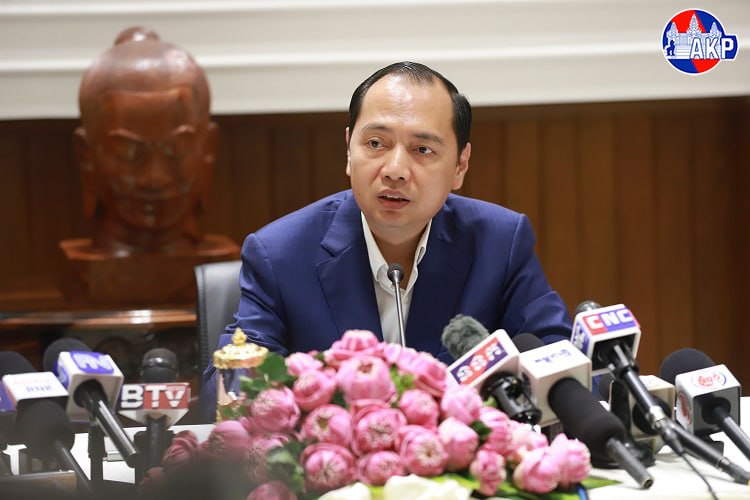
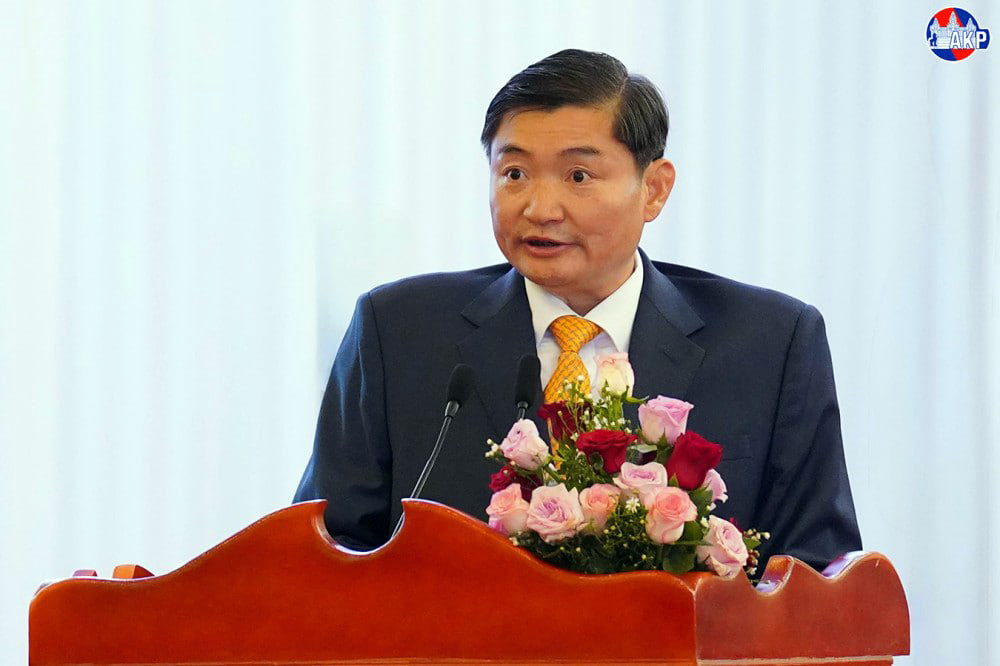
Minister of Labour and Vocational Training, H.E. Heng Sour, highlighted the indispensable role of TVET in developing Cambodia’s human capital. He said the system equips learners with knowledge, technical competencies, professional abilities, and work ethics, enabling them to become skilled workers and technicians while helping to narrow the skills gap in the labour market.
According to the Minister, technical and vocational education and training also enhances the resilience of the workforce in response to changes in economic structures, labour market dynamics, and rapid advances in science and technology. It enables young people to seize employment opportunities more quickly, reduce unemployment, and contribute more actively to the country’s socio-economic development.
“TVET serves as a flexible bridge tailored to the actual needs of citizens through short-, medium-, and long-term programmes delivered both within and outside the formal education system,” he said.
H.E. Heng Sour added that training can be provided through educational institutions, enterprises, communities, and mobile platforms, offering practical and efficient pathways to employment. The system also allows learners to pursue studies and employment simultaneously, earn income to support their families, and resume higher education after taking time off to work.
As of May 2026, Cambodia had a total of 262 TVET institutions under the Ministry of Labour and Vocational Training, comprising 37 public institutions, 201 private institutions, and 24 organisations and associations. Together, they provide short-, medium-, and long-term training programmes to an average of 60,000 trainees annually, while apprenticeship programmes benefit more than 30,000 people each year.
By Heng Panha