 KH
KH  FR
FR  AR
AR CN
CNOPINION: Cambodia-Japan Relations in a Changing Asia: Trust, Development, and Strategic Partnership
AKP Phnom Penh, August 23, 2026 --
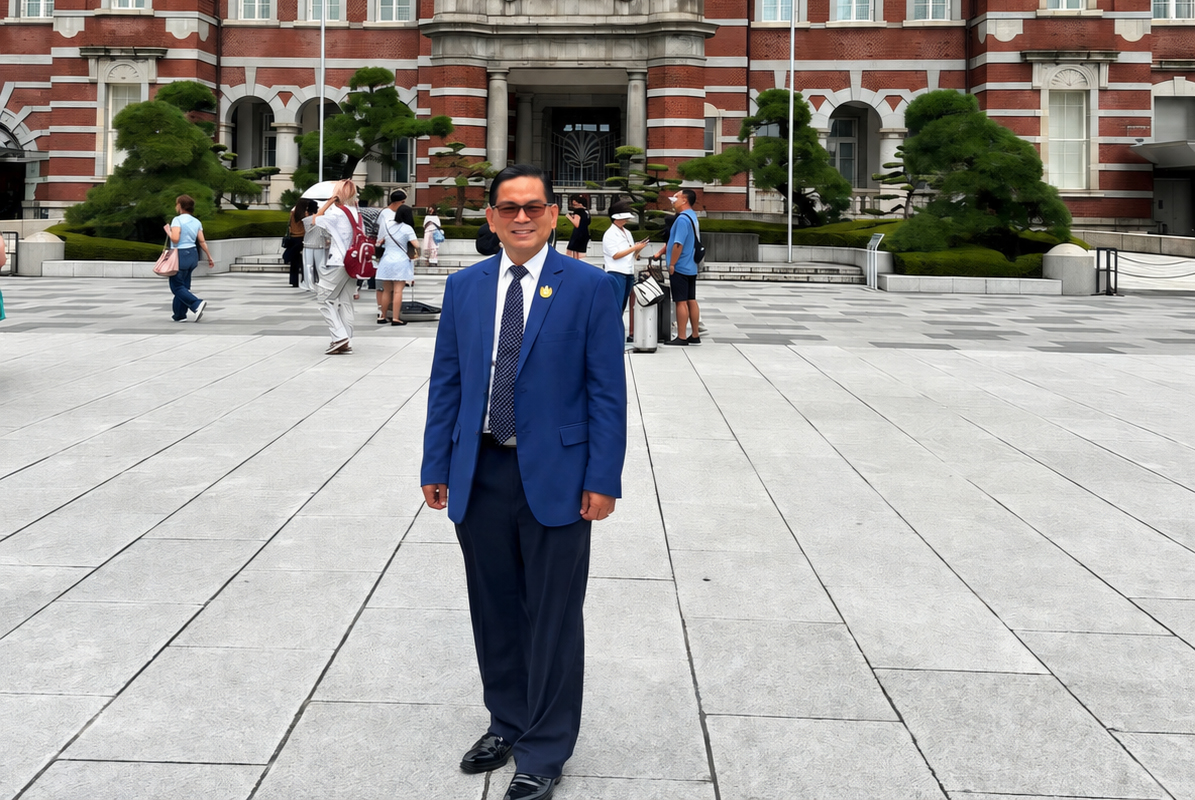
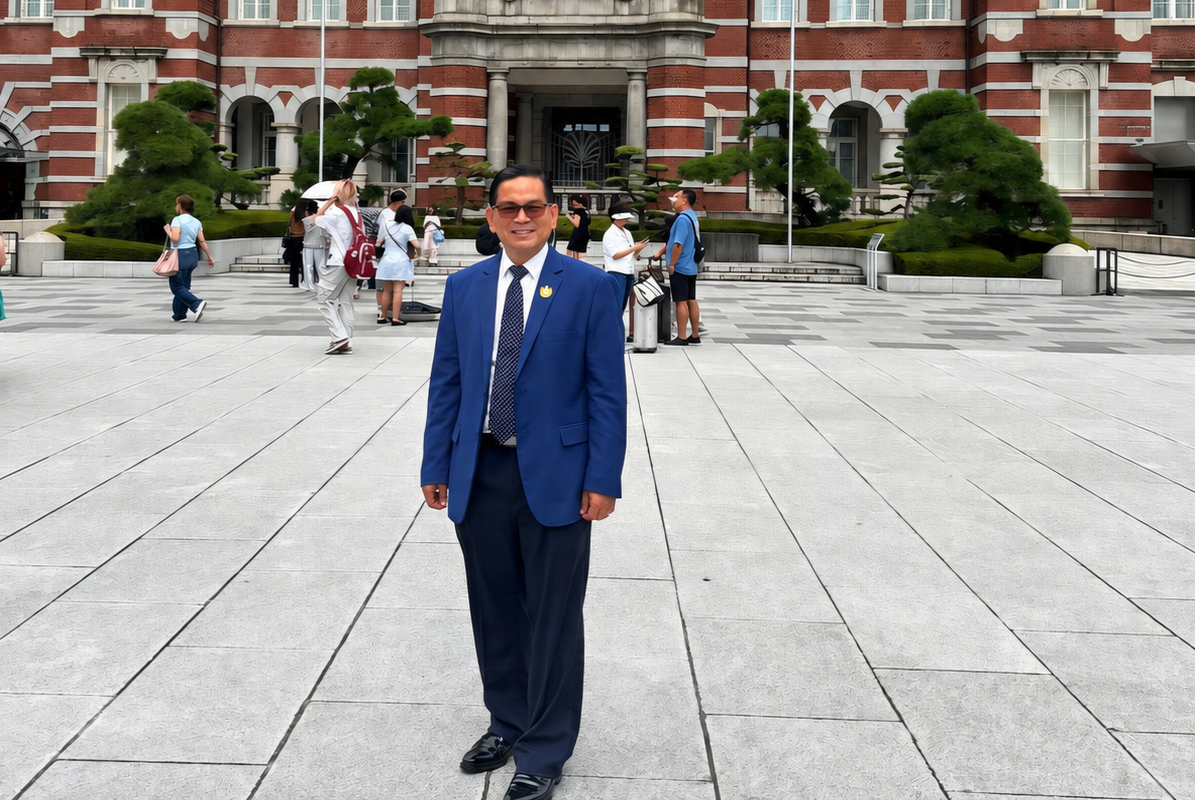
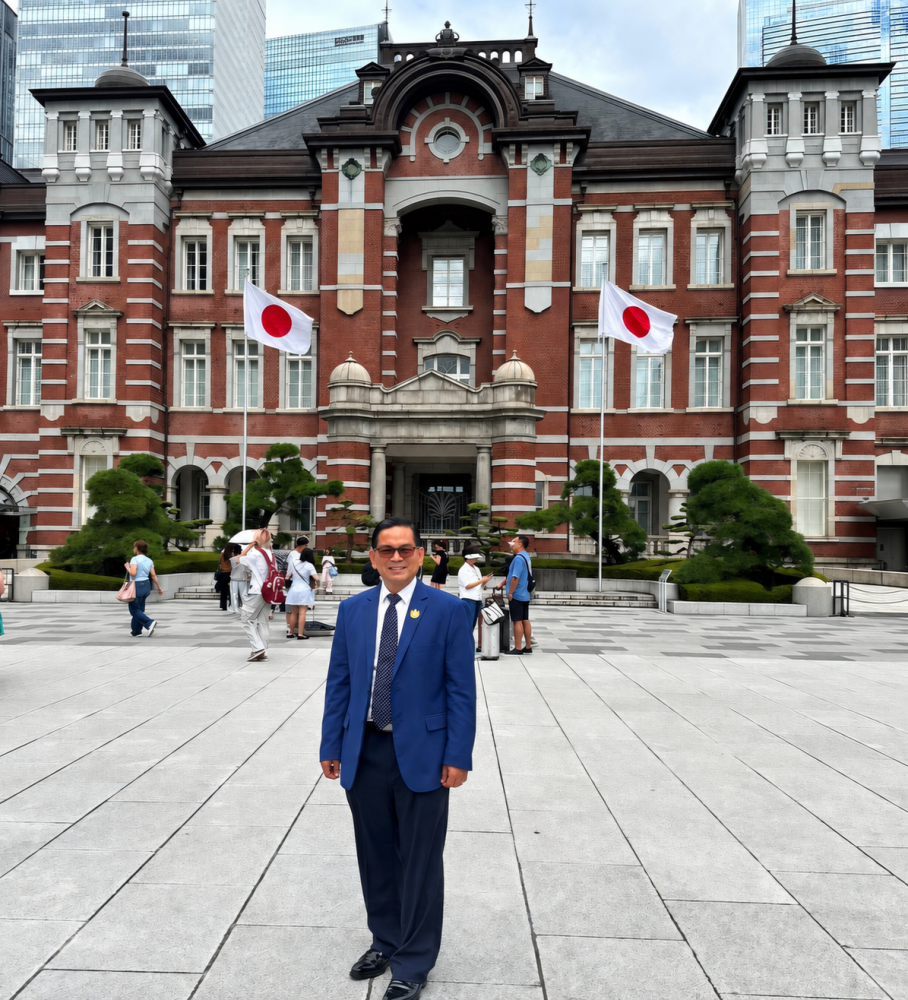
Cambodia-Japan relations have reached a stage where the central question is no longer simply how much the two countries cooperate, but what kind of partnership they want to build for the decades ahead. My recent visit to Japan offered a valuable opportunity to reflect on this question through discussions with government officials, development practitioners, scholars and strategic experts. We exchanged views on bilateral relations, Cambodia’s development priorities, ASEAN and Mekong cooperation, economic and security challenges, and the changing regional order. What emerged most clearly from these conversations was that the relationship possesses an asset more enduring than any single project: trust built over time.
That trust has deep historical roots. Japan’s ties with Cambodia are associated not only with development assistance but also with Cambodia’s transition from conflict to peace and reconstruction. Japan contributed to Cambodia’s peace process, supported reconstruction from the late 1980s onward, and chose Cambodia for its first United Nations peacekeeping deployment in 1992. The elevation of bilateral relations to a Comprehensive Strategic Partnership in 2023 therefore did not emerge from nowhere; it reflected decades of political goodwill, development cooperation and people-to-people engagement.
The challenge now is to ensure that this accumulated trust produces cooperation suited to Cambodia’s next stage of development. Cambodia’s priorities are changing. Human-capital development, economic diversification, higher productivity, stronger private-sector competitiveness, institutional modernisation, digital transformation and resilient growth are becoming increasingly important. Japan’s comparative advantage lies not simply in providing assistance, but in combining quality infrastructure, technology, skills, institutional experience and long-term capacity-building.
This makes private-sector cooperation especially important. Cambodia needs more Japanese companies not only as investors, but as long-term partners in industrial upgrading. Manufacturing, agro-processing, logistics, digital services, green industries and technology-related sectors offer practical areas for expansion. More Japanese investment could help Cambodia diversify beyond labour-intensive production, improve productivity and connect more deeply to regional value chains. At the same time, Cambodia must continue improving the business environment, regulatory predictability, workforce skills and institutional transparency if it wants to attract more sophisticated Japanese investment.
Geography also gives Cambodia strategic economic value. Located between Thailand and Vietnam and positioned within the Mekong subregion, Cambodia can strengthen its role as a connector in mainland Southeast Asia. Japan’s support for roads, bridges, logistics and the development of Sihanoukville Autonomous Port should therefore be viewed not only as bilateral development cooperation but also as part of a wider regional connectivity agenda. Better connectivity can reduce development disparities, expand trade, strengthen supply-chain resilience and give Cambodia more economic options. The Japanese discussion memo itself highlights Cambodia’s potential as a strategic link between Thailand and Vietnam and as a participant in wider regional production networks.
Human-resource development should remain another anchor of the partnership. One lesson reinforced during my visit is that Japan’s development success rests as much on people and institutions as on capital and technology. Scholarships, vocational education, university partnerships, exchanges among officials and researchers, and stronger links between think tanks can help prepare a new generation capable of sustaining Cambodia-Japan relations. The objective should be broader than transferring knowledge; it should be to build durable professional and personal networks between the two societies.
The partnership is also entering areas that were once peripheral to bilateral relations. Digital transformation, cybersecurity, economic security, defence cooperation and other non-traditional security issues now require greater attention. Practical cooperation can include capacity-building, disaster relief, cybersecurity, information exchange, maritime safety and responses to transnational crime. These are areas where cooperation can deepen without becoming confrontational or directed against any third country. The memo prepared for discussion in Japan similarly identifies security, digital and cyber cooperation as important future directions.
Maritime cooperation also deserves greater attention. Cambodia’s engagement with the United Nations Convention on the Law of the Sea (UNCLOS) provides an opportunity to strengthen maritime governance, legal expertise, environmental protection and the blue economy. Japan’s experience in these areas can be particularly useful. For smaller states, international law, capable institutions and professional diplomacy are not abstract principles; they are essential instruments for protecting legitimate national interests while reducing the risk of confrontation.
Yet the strategic meaning of closer Cambodia-Japan relations must be understood carefully. Cambodia’s foreign policy is based on independence, neutrality, diversification and strategic autonomy. Strengthening relations with Japan should therefore not be interpreted as choosing Japan over China, the United States or any other partner. The more pragmatic objective is to widen Cambodia’s diplomatic and economic space. Diversified partnerships make Cambodia more resilient and reduce excessive dependence on any single external relationship.
This logic also applies at the regional level. Cambodia and Japan share an interest in preserving ASEAN centrality, strengthening Mekong cooperation and maintaining an Indo-Pacific that remains open, inclusive and stable. Cambodia benefits when major and middle powers support ASEAN-led mechanisms rather than forcing Southeast Asian states into rigid strategic blocs. Japan can play a constructive role when its engagement expands choices, supports connectivity and strengthens regional institutions.
Ultimately, the Comprehensive Strategic Partnership should be judged by results rather than terminology. More Japanese investment, deeper technological cooperation, stronger human-resource development, expanded security and maritime capacity-building, and closer academic and policy networks would give the relationship real substance.
My discussions in Japan left me with a clear conclusion: Cambodia and Japan do not need to reinvent their relationship; they need to upgrade what already works. The trust built through peacebuilding, reconstruction and development should now support a more equal, pragmatic and future-oriented partnership. If both sides can translate that trust into concrete cooperation aligned with Cambodia’s evolving needs, Cambodia-Japan relations can become not only stronger bilaterally, but also more valuable to ASEAN stability, regional resilience and a peaceful Indo-Pacific.
By Kin Phea, an alternate member of Royal Academy of Cambodia and director-general of International Relations Institute of Cambodia
(Views expressed are personal.)