 KH
KH  FR
FR  AR
AR CN
CNSenior Minister Kun Kim: Resilience of Displaced Cambodians Offers Hope for Livelihood Recovery
AKP Banteay Meanchey, August 31, 2026 --
Cambodian citizens displaced by the Thai military aggression in 2025 are demonstrating resilience and determination to rebuild their lives, despite the challenges they continue to face, according to H.E. Kitti Sangahapundit Kun Kim, Senior Minister and First Vice Chairman of the National Committee for Disaster Management.
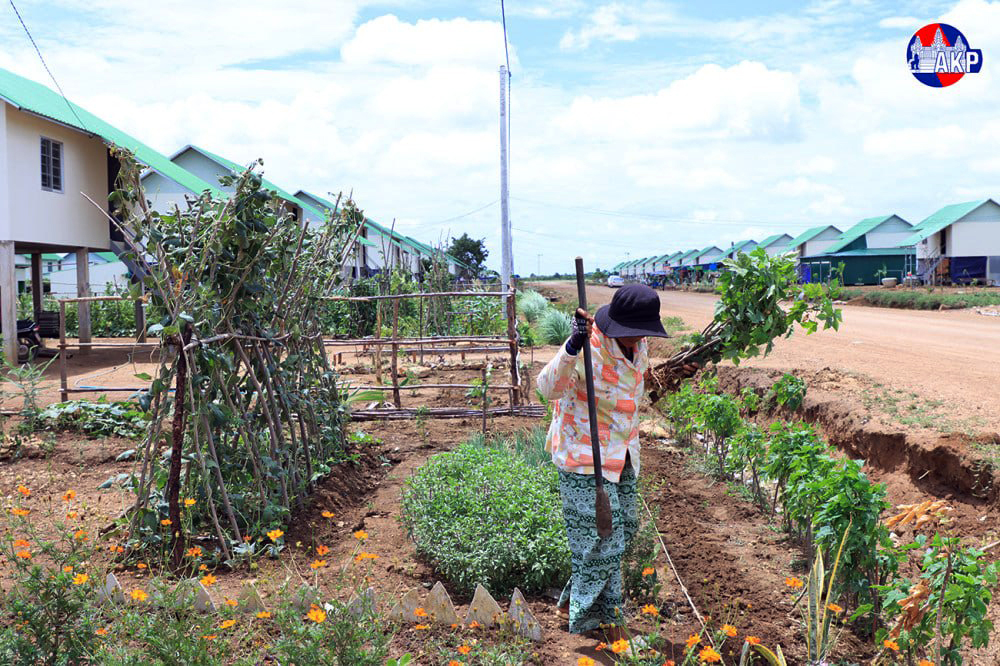
The displaced residents in Rong Cham village, Slakram commune, Svay Chek district, Banteay Meanchey province, have been making efforts to organise their shelters, restore their livelihoods and pursue various means of earning a living according to their capabilities.
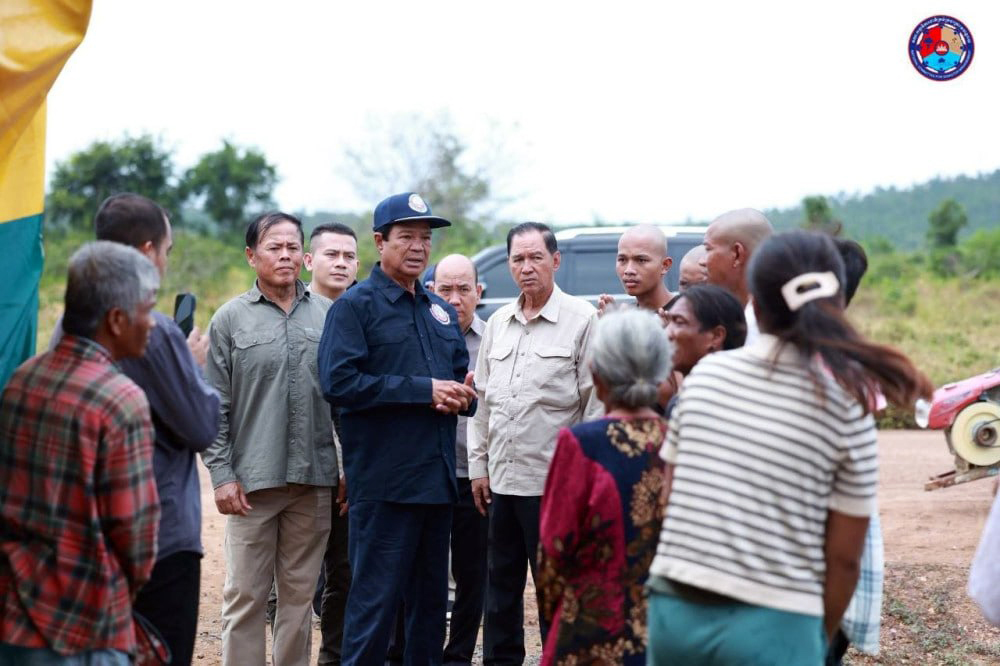
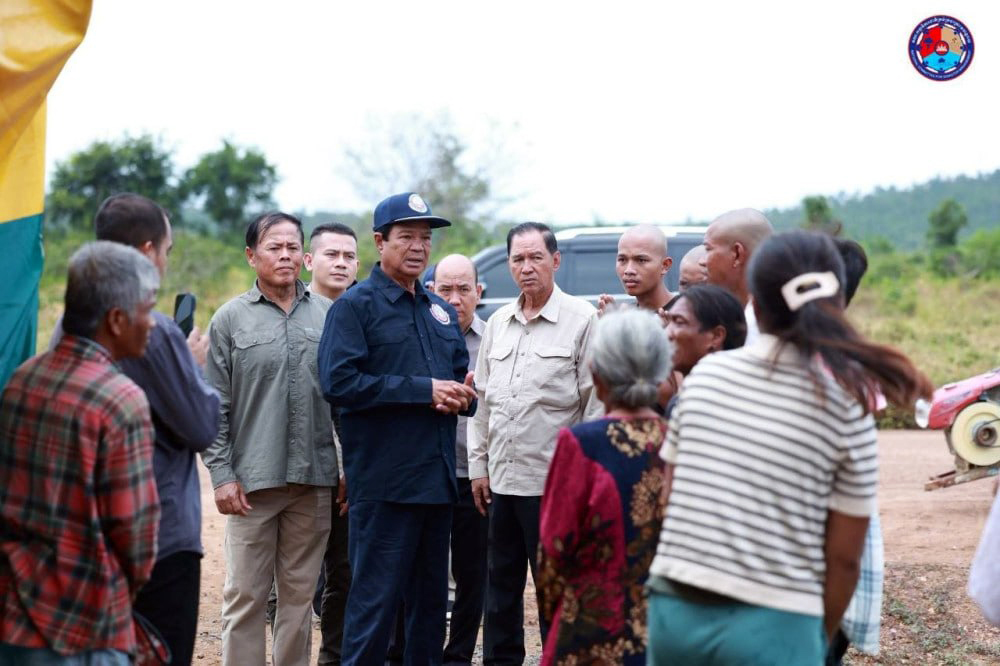
On Aug. 30, H.E. Kon Kim visited the displaced residents in their homes to inquire about their well-being and observe their living conditions firsthand. The visit was aimed not only at providing encouragement but also at gathering direct information on the residents' needs and challenges so that assistance and coordination could better respond to the actual situation on the ground.
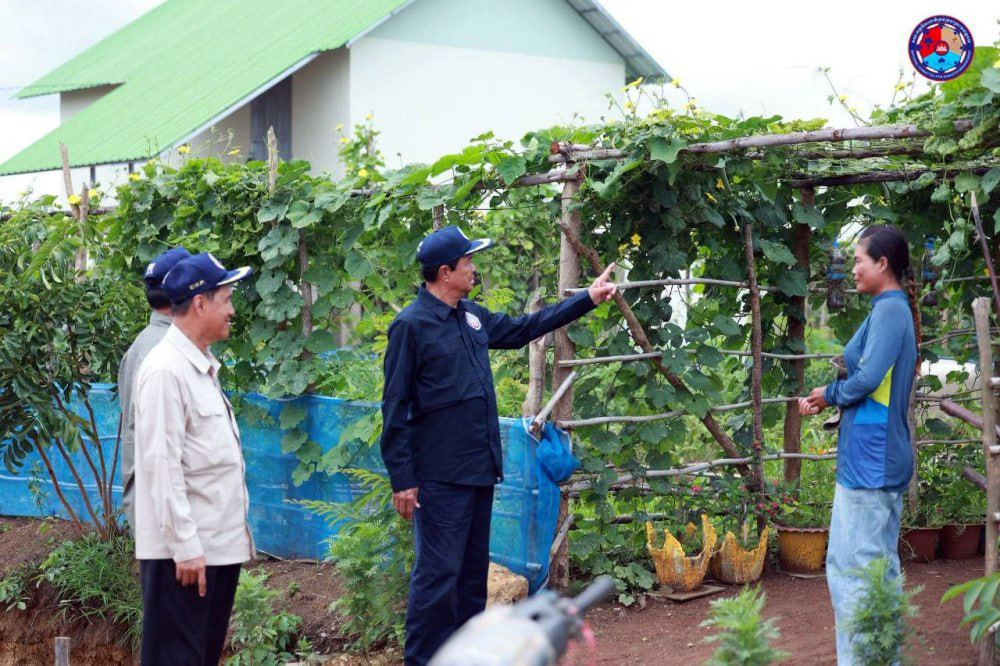
During the visit, H.E. Kun Kim commended the displaced families for their efforts to keep their homes orderly and improve their living environment. Many have begun raising livestock and growing various crops, both to meet their daily food needs and to generate additional household income through sales.
He said these activities clearly reflected the hope and resilience of displaced residents, who have not given up on rebuilding their livelihoods despite the difficulties they are experiencing.
The living conditions at the displacement site have also continued to improve as residents focus on meeting their daily needs and strengthening their ability to become increasingly self-reliant.
H.E. Kun Kim emphasised that displaced citizens would not be left to face these difficulties alone. The Royal Government has continued to provide support according to their needs and available resources, including monthly financial assistance, free access to clean water and electricity, as well as support for agricultural activities to help families restore their livelihoods and increase household production.
During his visit, H.E. Kun Kim also met residents at their homes to listen directly to their requests and concerns. For issues requiring coordination, he worked with the Banteay Meanchey provincial administration and local authorities to seek appropriate solutions based on the actual circumstances.
The visit also highlighted the importance of maintaining a strong link between national-level management and local implementation, as the needs and problems of residents can be better understood when leaders directly observe and listen to their living conditions.
Another notable development was the arrival of ordinary Cambodian citizens from other provinces who travelled to Rong Cham village to offer encouragement and assistance to the displaced families. H.E. Kun Kim said this demonstrated the spirit of solidarity and the sense of “One Khmer,” in which Cambodian people stand together and support one another during difficult times.
The efforts of displaced families to grow crops, raise livestock and organise their homes may appear to be ordinary daily activities, but they represent an important step toward rebuilding their livelihoods after hardship. They demonstrate the residents' determination to live with hope, rely on their own capabilities and prepare to return to normal life.
H.E. Kun Kim's visit therefore served not only as a humanitarian gesture and an expression of encouragement, but also as an effort to strengthen coordination among state institutions, local authorities and citizens to ensure that the needs and challenges of displaced people receive timely attention and appropriate solutions.
Behind every small activity – whether cultivating a plot of land, raising livestock or rebuilding a home – lies the larger aspiration of displaced families to regain security, stability and the ability to rebuild a better future. This resilience, combined with continued support from the Royal Government, local authorities and society as a whole, is helping drive the process of livelihood recovery forward.
Article in Khmer by Chhun Sarath
Article in English by C. Nika